
Why Buy a Manufactured Home in Montgomery County, PA? Costs, Quality, and FAQs
Thinking about buying a manufactured home in Montgomery County, PA? It is a smart question. Factory-built homes are a realistic path to homeownership in the Philadelphia Suburbs, where site-built prices push many buyers past the traditional listing. Here is why buyers choose them, how they are built, how land and financing work, and the questions I hear most.
Why Are Buyers Choosing Manufactured Homes in Montgomery County, PA?
Every buyer has a slightly different reason, but what draws people to manufactured homes comes back to five things:
- Lower purchase price per square foot: factory building is efficient, so you get more finished space for your dollar.
- Faster construction and move-in: the home is built indoors while your site is prepared, so the timeline is often months, not a year or more.
- Modern construction standards: every home built since 1976 must meet the federal HUD code, one national standard for structure, fire protection, energy, and systems.
- Energy efficiency: newer units ship with energy-rated windows, insulation, and systems, and many carry ENERGY STAR certification.
- Ownership on a budget: for buyers priced out of traditional single-family homes, this can be the difference between renting and owning.
None of that means a manufactured home is right for everyone. I will be honest about the trade-offs below, because the old assumptions no longer match what is being built today.
What Exactly Is a Manufactured Home?
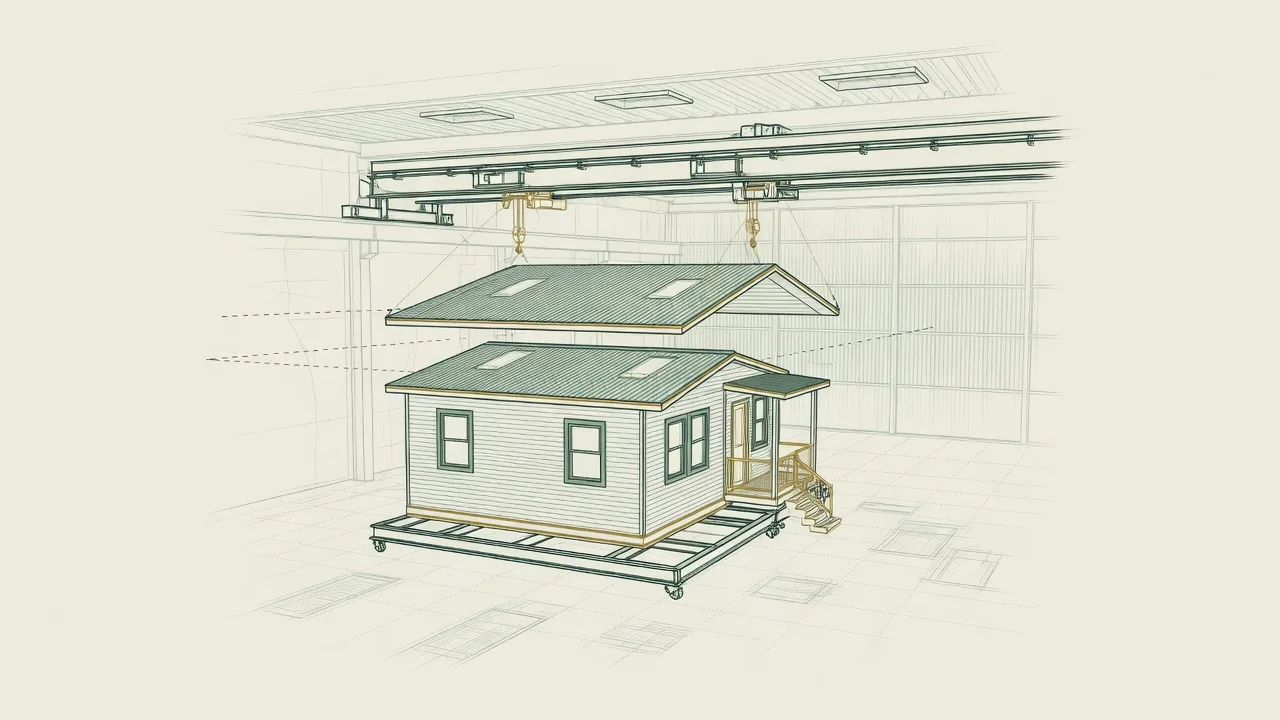
A manufactured home is built entirely in a factory to the federal HUD code, transported in sections, and installed on a foundation at your site. Since 1976, HUD has regulated this construction, so every newer unit follows one national standard for structure, fire protection, energy, and systems. The old term mobile home refers to pre-1976 units, and the quality difference is significant.
“A manufactured home built to the HUD code is inspected at every stage of assembly, so the quality is checked continuously rather than once at the end. Modern units are a world away from the trailers people remember from past decades.”
Manufactured vs. Modular: What Is the Difference?
Both are built in factories, and the terms get mixed up often. A manufactured home follows the federal HUD code and is often treated as personal property for financing. A modular home follows the state and local building codes where it will sit, goes on a permanent foundation, and is treated like a site-built home once assembled. The FAQ section below covers how that affects financing.
How Do Manufactured Homes Differ From Site-Built Homes?
The main difference is where the building happens, and that fact drives most of the rest:
- Consistent quality: factory assembly happens indoors, with the same crew and inspections at each stage.
- No weather delays: rain and cold never pause construction, which is why the timeline is shorter.
- Local work still matters: the foundation, utilities, and site work are done by local contractors under your township's rules, so choose those trades carefully.
- Delivery logistics: the home travels in sections and is set by crane, so the site must be cleared and accessible on moving day.
The factory handles the house, and the site handles the ground under it. Both deserve your attention.
Land Ownership vs. Leased Land: What Should You Know?
The most important question in any manufactured home purchase is simple: do you own the land under the home, or are you leasing it? The answer drives everything downstream, from financing to resale.
If you own the land with the home, you hold a deed to real property, just like a site-built buyer. That is the combination lenders most want to see, and you control the property and its improvements.
If the home sits on leased land, often in a managed community, you own the home but rent the lot beneath it. That adds monthly lot rent on top of your home payment, plus community rules and fees. It can be a more affordable entry point, but the lease deserves the same scrutiny as a mortgage.
Most manufactured homes I work with in Montgomery County come with owned land, but both arrangements exist. We will review the ownership structure before we talk about offers.

How Does Financing Work for a Manufactured Home?
Financing is where manufactured homes diverge from the traditional path, so know which lane you are in before you fall in love with a floor plan:
- Chattel loan: a personal property loan used when the home is not treated as real estate, such as a unit on leased land. It usually carries higher rates and shorter terms than a mortgage.
- Mortgage: a conforming mortgage becomes available when the home is HUD certified, sits on a permanent foundation, and is titled as real property in Pennsylvania, so it can finance like a site-built purchase.
You do not have to figure this out alone. I can connect you with local lenders who handle manufactured home financing, so you get quotes on the exact structure.
Do Manufactured Homes Hold Their Value?
The question buyers ask most deserves the honest answer. Value depends on what you own and how you care for it. A newer, well-maintained home on land you own behaves like a traditional property, because the land itself holds value. A home on leased land, or one that has aged without maintenance, follows a different resale curve.
I will never promise appreciation, because nobody honestly can. I will help you understand what drives resale for the specific home, land, and market before you commit.
What Should You Look for in a Manufactured Home Community?
If the home you like sits on leased land, the community becomes part of your monthly cost. Look past the model home and review what actually governs ownership:
- The land lease: how lot rent is set, how increases are handled, and how long it runs.
- Rules and fees: maintenance obligations, pet policies, approvals for changes, and charges beyond rent.
- Infrastructure: the condition of roads, water, sewer, electric, and drainage.
- Financing for buyers: whether homes there can be financed and titled as real property.
- Resale: ask how homes transfer between owners and what current listings reveal.
Read the governing documents the way you would read a deed, and ask for them before you sign. I will review them with you so nothing surprises you at settlement.
Manufactured Home FAQs
What is the difference between a manufactured home and a modular home?
A manufactured home is built to the federal HUD code and is often treated as personal property for financing. A modular home is built to the state and local building codes of the site, goes on a permanent foundation, and is treated like a site-built home once assembled. The two finance and appraise differently, so know which one you are buying.
Can you get a mortgage on a manufactured home?
Yes, when the home is HUD certified, affixed to a permanent foundation, and titled as real property in Pennsylvania. When those conditions are not met, buyers typically use a chattel loan, a personal property loan with different rates and terms. I can connect you with local lenders who finance them either way.
Do manufactured homes hold their value?
Resale value depends on whether you own the land, the home's age and condition, maintenance, and the local market. A well-kept newer home on owned land is a different asset than an aging unit on leased land. I will not promise appreciation, but I can show you what drives value for the specific home.
Is it cheaper to buy a manufactured home than a site-built home?
Usually yes, on a per-square-foot basis, because factory construction is efficient and free of weather delays. The full number includes land, site work, foundation, utilities, delivery, and setup, so compare total cost, not just the unit price. I will build that complete picture with you before an offer.
What should you look for in a manufactured home community?
Treat the land lease as a core part of the purchase. Review lot rent and how increases work, the rules and fees, the condition of infrastructure, and whether homes there finance as real property. Those details decide your monthly costs and your future resale.
Are manufactured homes energy efficient?
Modern HUD-code units include energy-rated windows, insulation, and systems, and many qualify for ENERGY STAR certification. Efficiency varies with the age of the unit, installation quality, and maintenance, so ask for the energy specifications of the exact home you are considering.
Ready to Look at Manufactured Home Options in Montgomery County, PA?
I have helped buyers across Montgomery County think through every type of home, manufactured and site-built alike. If you are considering one, I will help you compare the total cost, review the land and lease details, and connect you with local lenders and resources.
Call or text me on my mobile at 610-457-8698 and we will talk through your situation.
About Carmella Thompson
As Pennsylvania's first certified AI real estate agent, Carmella uses AI-powered tools to market listings, analyze market trends, and streamline the buying and selling process for her clients. This means relocating buyers get faster responses, more accurate home valuations, and a technology-driven experience that simplifies a complex move. With 22 years of experience at eXp Realty, PA license RS151226A, she serves the Philadelphia Suburbs of Montgomery County, PA.

Thinking about a manufactured home in Montgomery County, PA? Carmella can connect you with local lenders and resources, and help you compare the total cost before you decide.